What Is a Coworking Space For?
November 12, 2026
At first glance, the answer seems obvious: a coworking space is a place to work.
But that definition misses much of what makes coworking valuable.
A coworking space can provide a desk, Wi-Fi, meeting rooms, and private offices, but its real purpose goes beyond giving people somewhere to open a laptop. For remote workers, hybrid teams, entrepreneurs, growing or small businesses, and established companies, coworking can create a more adaptable way to work while providing access to professional resources and a broader business community.
In that sense, coworking is less about replacing the traditional office and more about giving people another option for how work fits into their lives and businesses.
A Coworking Space Creates Separation Between Work and Home
Remote working gives professionals greater control over where they work, but a home office doesn't always provide the separation people need.
When work happens in the same place where you eat, relax, and spend personal time, it can be hard to create boundaries between the two.
A coworking space gives remote workers somewhere to intentionally enter and leave the workday. That change in environment can help create structure and focus without requiring a return to a traditional office five days a week.
For someone who works remotely most of the time, coworking can be another tool for when home is distracting or a major project requires more concentration.
It Gives Businesses a More Adaptable Approach to Office Space
Office needs rarely stay the same.
A company may add employees, adopt a hybrid work model, enter a new market, or need temporary space for a particular team or project. A traditional long-term lease can make those changes harder to manage.
Coworking gives businesses more room to adjust.
Depending on the provider, companies may have access to open-plan work areas, dedicated desks, private offices, meeting rooms, and larger team spaces. This lets a business choose what fits its current needs without taking on more real estate than it can use.
For growing or changing organizations, this can make office planning more responsive and less restrictive.
It Provides the Infrastructure of an Office
Running an office involves more than leasing square footage.
Businesses also have to manage internet service, furniture, utilities, cleaning, maintenance, meeting spaces, printers, and other day-to-day needs.
Coworking spaces offer much of that infrastructure in a ready-to-use environment.
Members can typically arrive with their laptop and start working without managing the building around them. High-speed internet, furnished workspaces, common areas, meeting rooms, and other workplace essentials are already in place.
This reduces the operational burden of maintaining an office and gives businesses more time to focus on their work.
It Supports Different Types of Work
Not every task is best completed in the same environment.
You might need quiet concentration for one part of the day, a meeting room for another, and a more collaborative setting later.
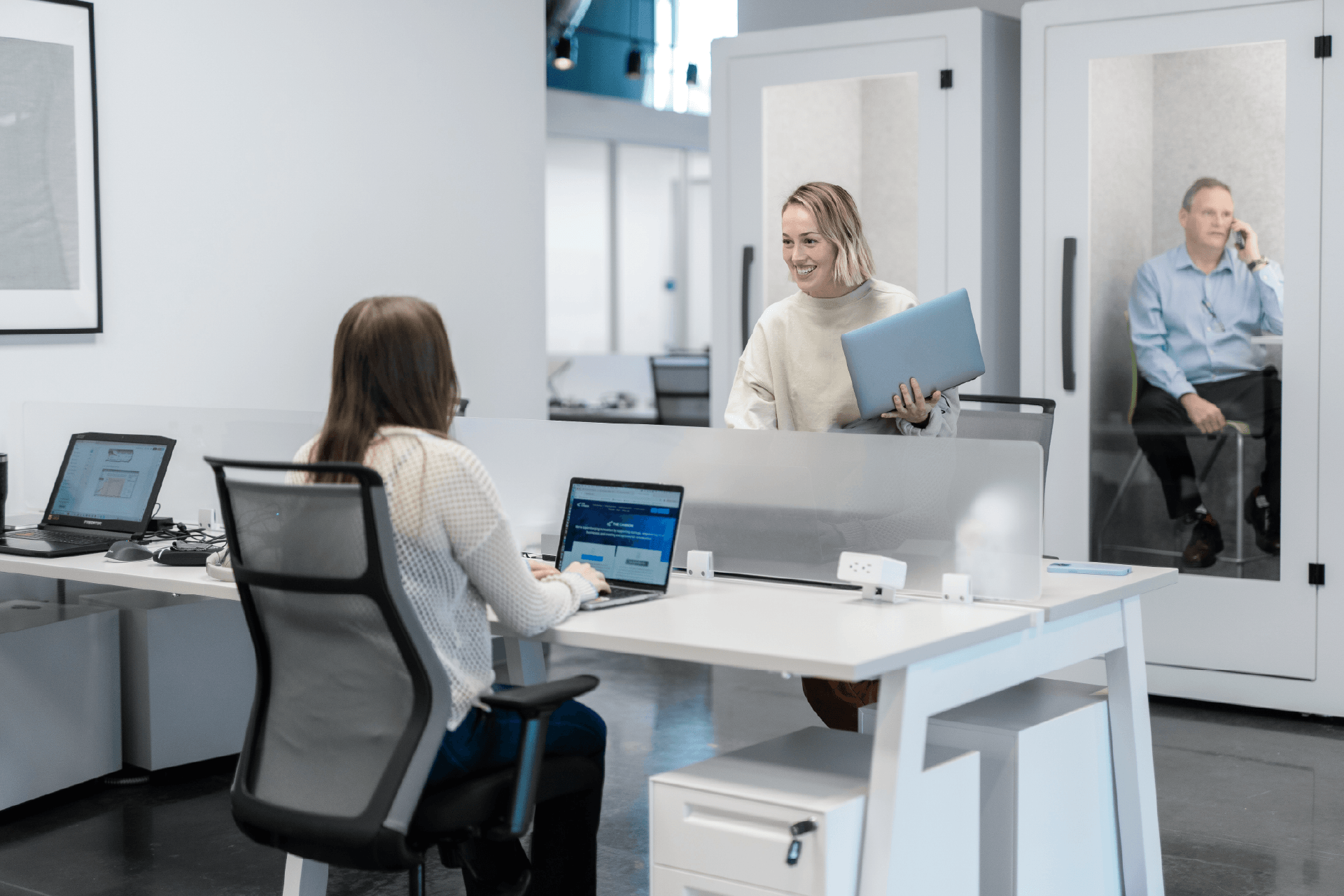
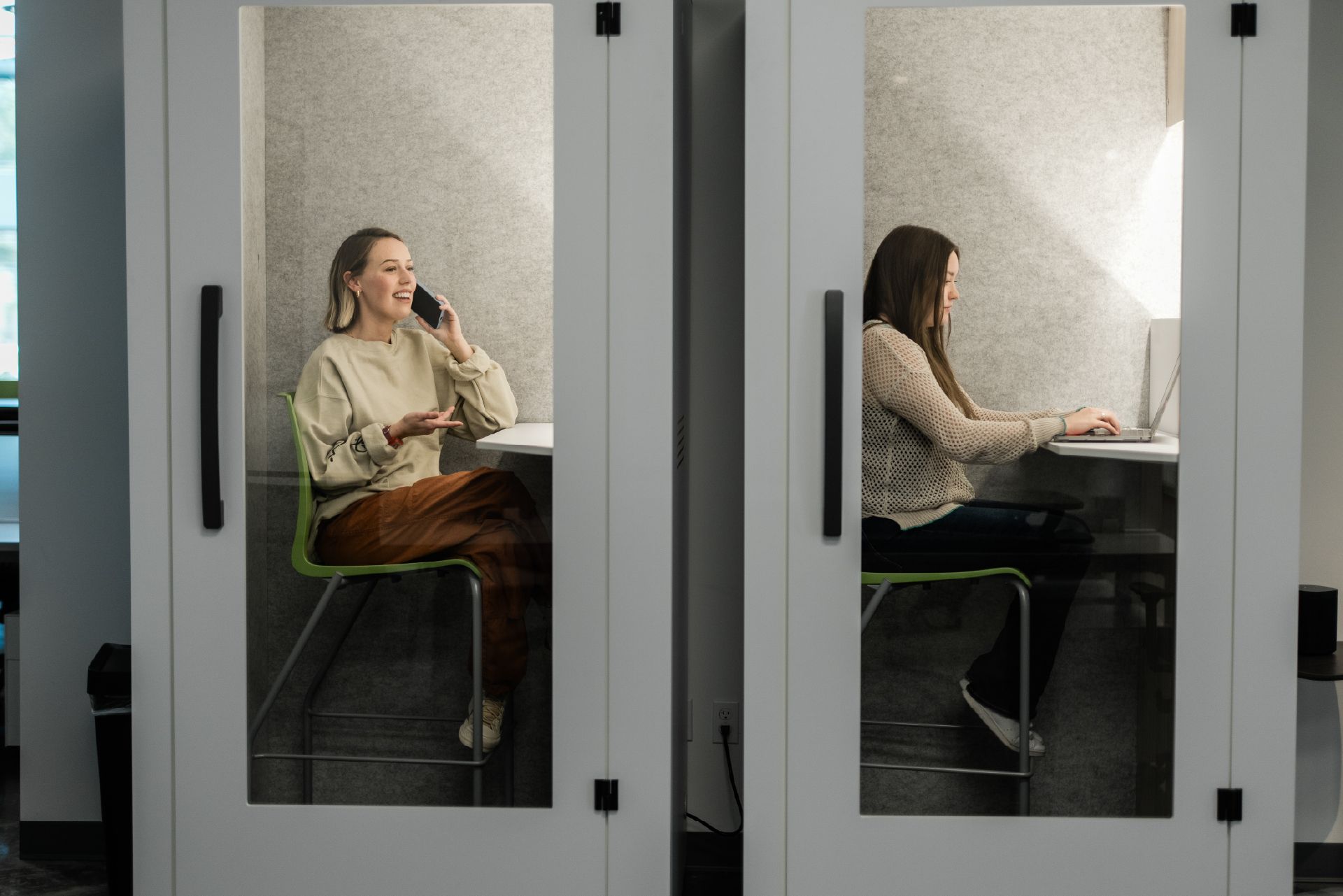
Coworking environments often provide different spaces for different types of work. Someone might spend the morning working independently, move into a meeting room for a client call, then join a colleague in a shared office area for an afternoon discussion.
This variety can be especially useful for people whose responsibilities change throughout the day. Instead of making one workspace fit every task, they can move into the setting that makes the most sense.
It Gives Hybrid Teams a Place to Reconnect
Hybrid work creates flexibility, but teams still need opportunities to come together in person.
A company may not need a permanent office large enough for its entire workforce every day. It may simply need a professional place for planning sessions, presentations, training, or collaborative work.
Coworking spaces can provide that meeting point.
For distributed teams, they can also give employees access to a professional workspace closer to home, reducing the need for everyone to work from the same central location.
This makes coworking useful not only for individuals working remotely, but also for companies trying to make hybrid work more practical.
It Creates Professional Connections and Community
One of the biggest differences between coworking and simply working somewhere with Wi-Fi is the people around you.
Coworking spaces bring together professionals from different companies, industries, and backgrounds. That can create opportunities for conversations and relationships that would be unlikely to happen in a home office or within a single-company workplace.
A business owner may meet a potential vendor. A freelancer may connect with a future client. Someone facing a business challenge may meet a professional who has dealt with something similar.
Many coworking spaces also encourage these connections through networking events, workshops, mentorship opportunities, and other community programming.
The value is not that every conversation needs to turn into a business opportunity, but that people can work independently while still being part of a broader professional environment.
It Gives Businesses a Professional Place to Meet
Not every conversation belongs at a kitchen table or coffee shop.
Client presentations, interviews, team meetings, and important calls often benefit from a professional setting with the privacy, technology, and space needed to conduct them properly.
Coworking spaces can give professionals access to meeting rooms and private spaces without requiring them to maintain those facilities full time.
For businesses that only occasionally need a conference room or polished client-facing environment, that access can be particularly useful.
It Gives People More Choice in How They Work
Ultimately, coworking gives people another way to structure the workday.
It can serve as an alternative to working from home, supplement a company office, provide a temporary base for a growing team, or give a business somewhere to operate without committing to a permanent location.
That versatility is why coworking is relevant to such a wide range of professionals and organizations. It is not tied to one type of worker or one stage of business growth.
Instead, it offers another option when a home office or traditional office doesn't fully fit the need.
Find More Than a Place to Work at The Cannon
At The Cannon, coworking supports the different ways professionals and businesses work.
Members can access flexible workspaces, private offices, bookable meeting rooms, high-speed Wi-Fi, professional mailing services, and other resources that make the workday easier. The Cannon also brings professionals, entrepreneurs, businesses, and innovators into environments built around connection.
That combination is what makes coworking valuable. It provides a professional place to work, but it can also create structure, simplify office needs, support collaboration, and connect people to a larger business community.
For anyone looking for a workspace that does more than provide a desk,
The Cannon offers options designed to support how work happens today.