Coworking in 2026: How Flexible Workspaces Are Shaping the Future of Work
February 27, 2026
As the year comes to a close, the coworking industry is entering a more mature and strategic phase. What once centered on convenience and cost savings has evolved into a broader conversation about how businesses plan for growth, manage real estate, and support modern work styles. In 2026, coworking is no longer reacting to change but helping define what comes next.
The trends shaping coworking in 2026 point to a future where flexibility, intentional design, and long-term thinking are central to how companies approach office space. Below are the most meaningful developments influencing the flexible workspace landscape as the industry moves forward.
1. Flexibility Will Become a Strategic Business Requirement
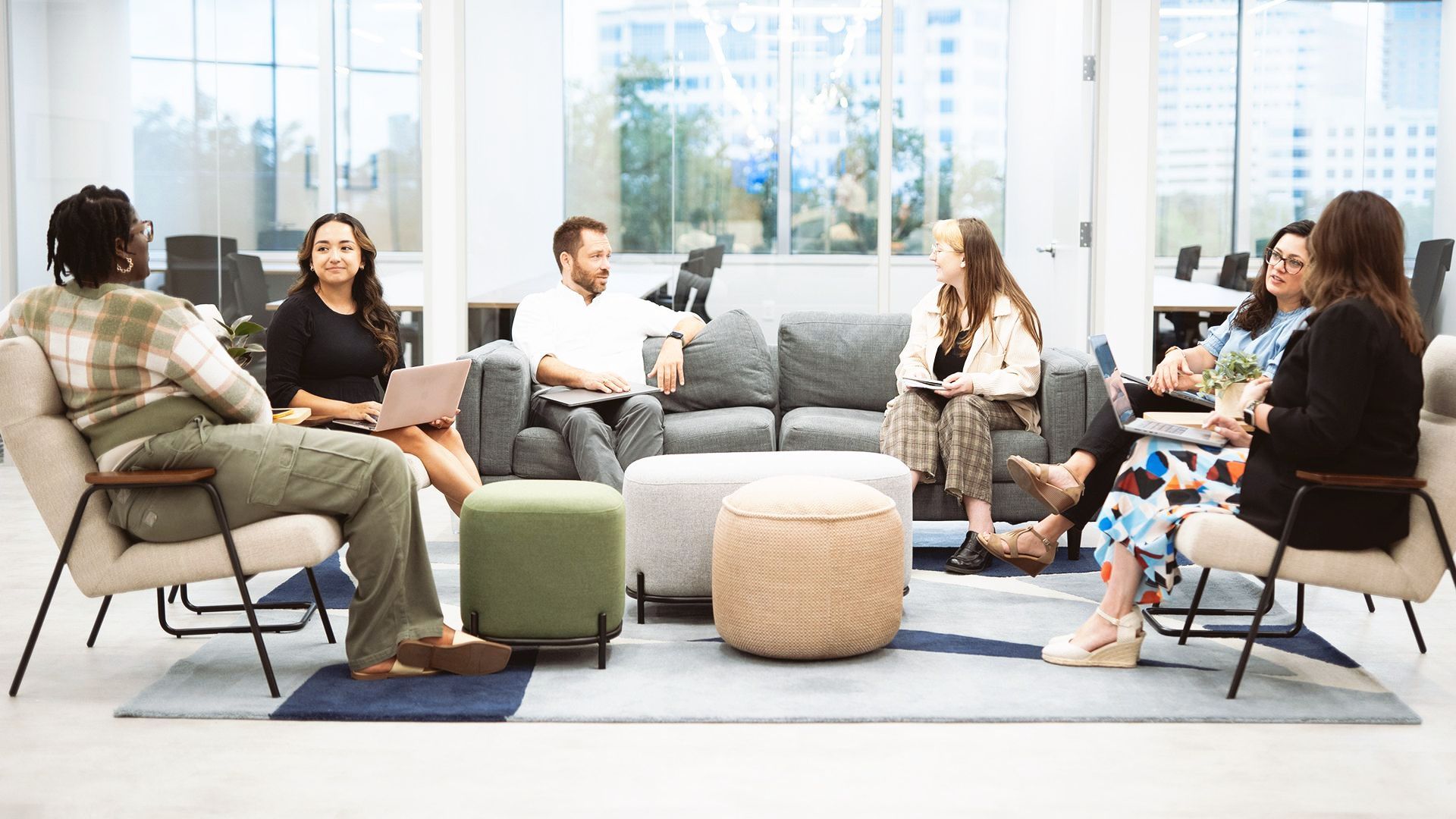
In 2026, flexibility will no longer be viewed as a perk or a temporary solution. It will be a core requirement for organizations navigating uncertain growth patterns, evolving workforce expectations, and changing market conditions. Businesses will want office space that can expand, contract, and reconfigure without friction.
Coworking environments should respond by offering a mix of shared offices, private offices, and adaptable layouts that support both short-term needs and long-term planning. This approach allows companies to remain agile while still operating within a professional, fully supported office environment. Flexibility will shift from a reactive measure to a proactive business strategy.
2. Hybrid Work Will Shape Space Utilization
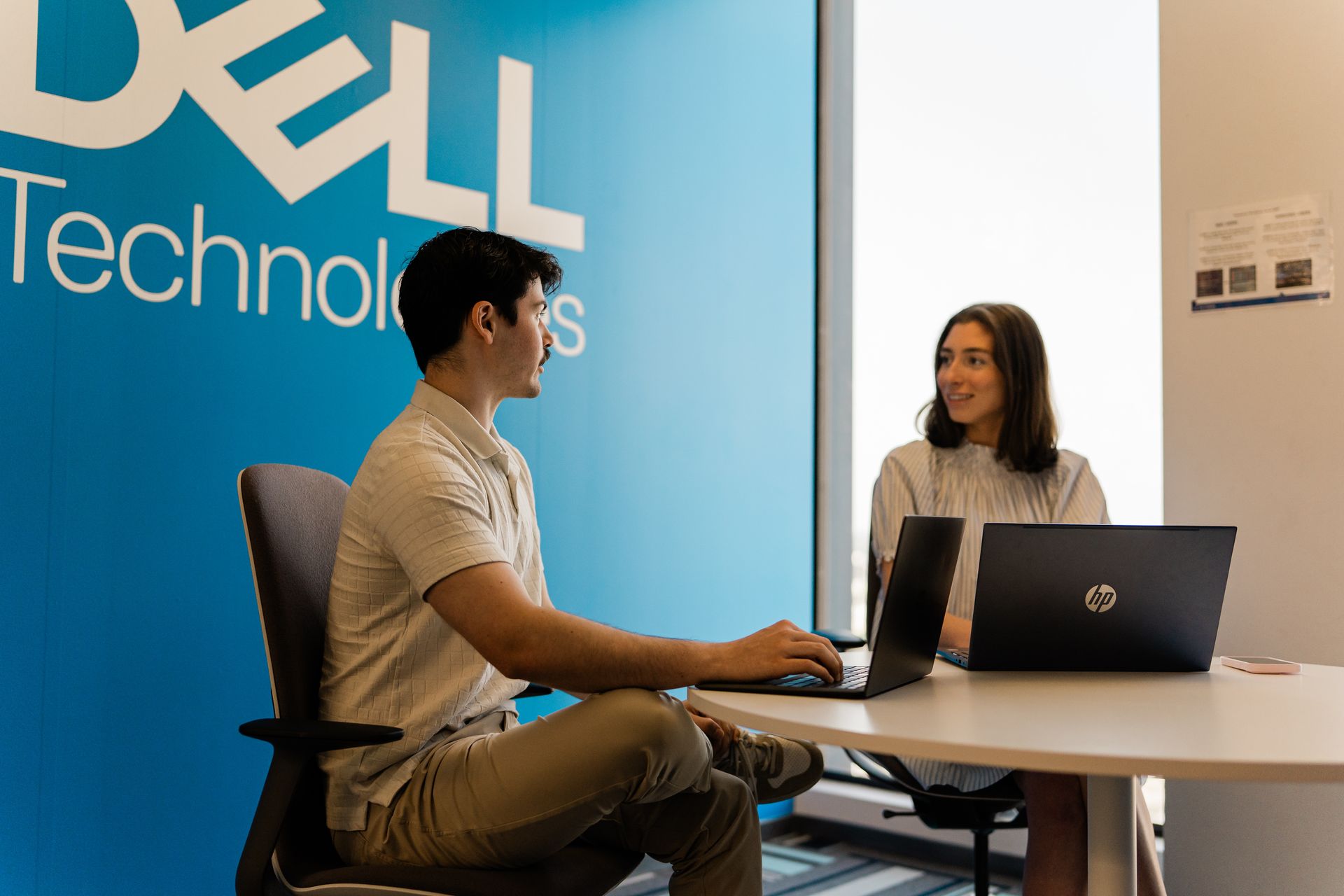
Hybrid work has moved beyond experimentation and into standard practice. By 2026, many organizations will assume that not every employee will be in the office every day, and coworking spaces are becoming increasingly designed with that reality in mind.
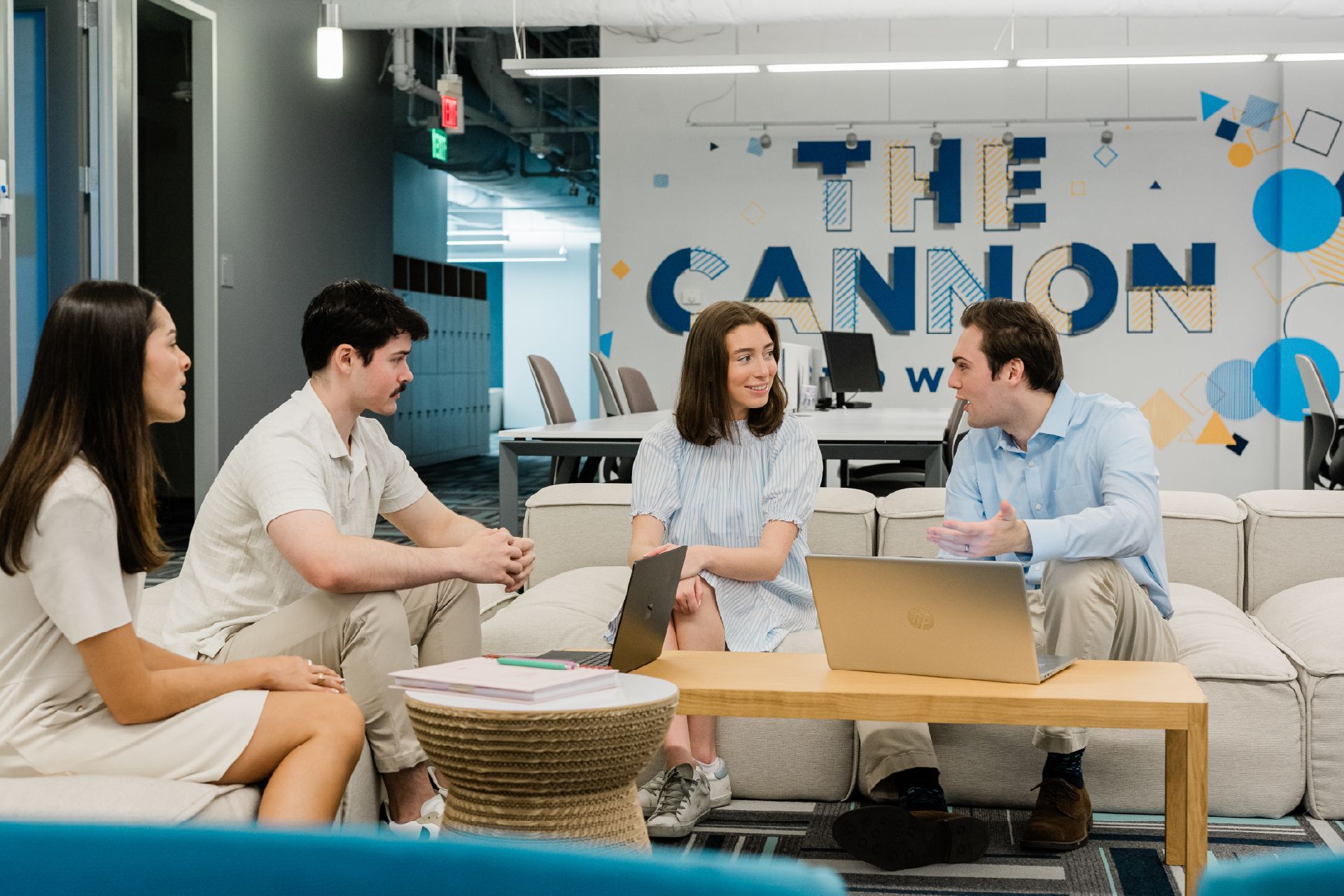
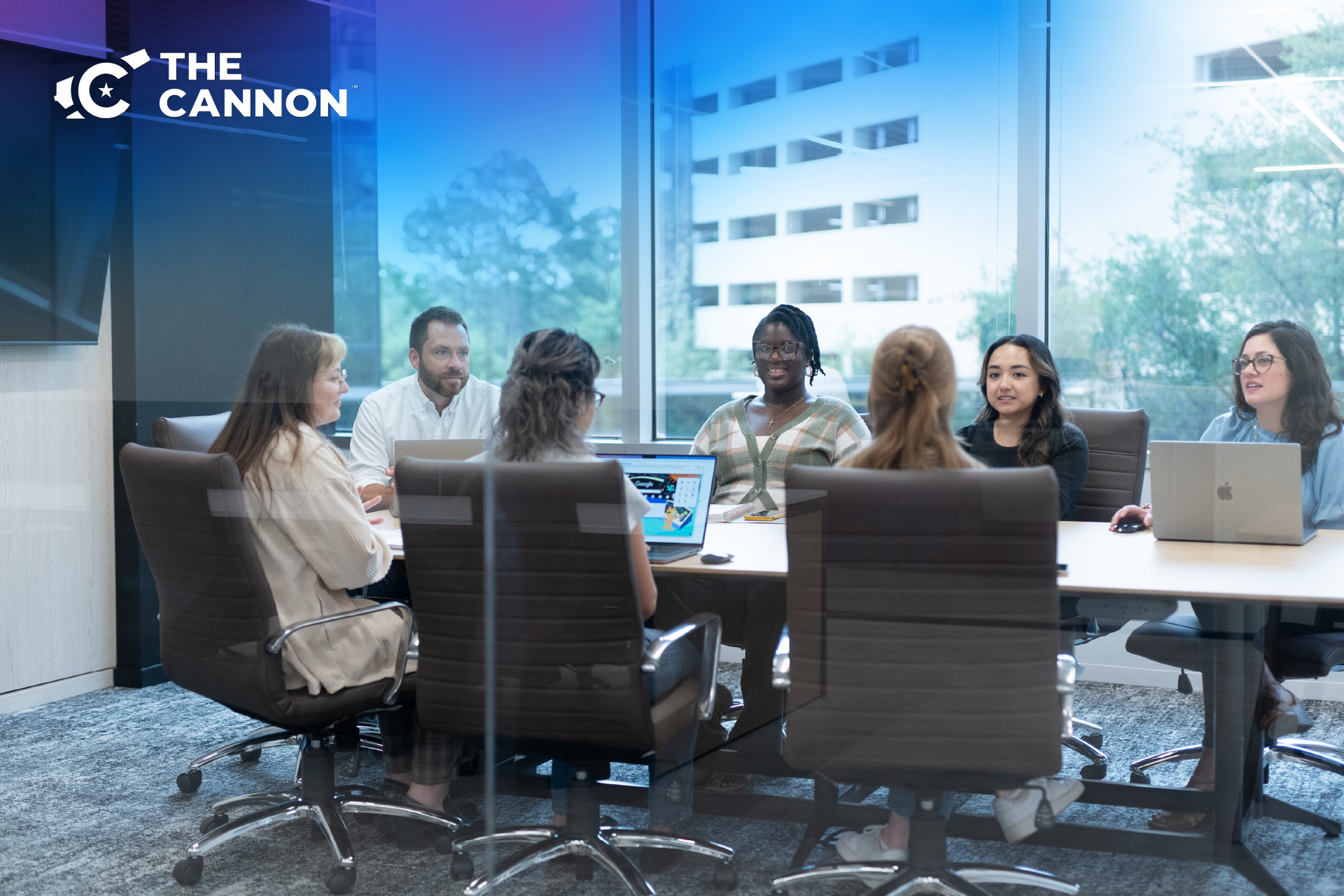
Rather than functioning as full-capacity offices, coworking locations are being used as collaboration hubs where teams gather with intention. This has increased demand for meeting rooms, reliable internet, and spaces that support both group interaction and quiet focus. Office space is now evaluated not by how many desks it contains, but by how effectively it supports the rhythms of hybrid work.
3. Design Will Prioritize Focus and Function
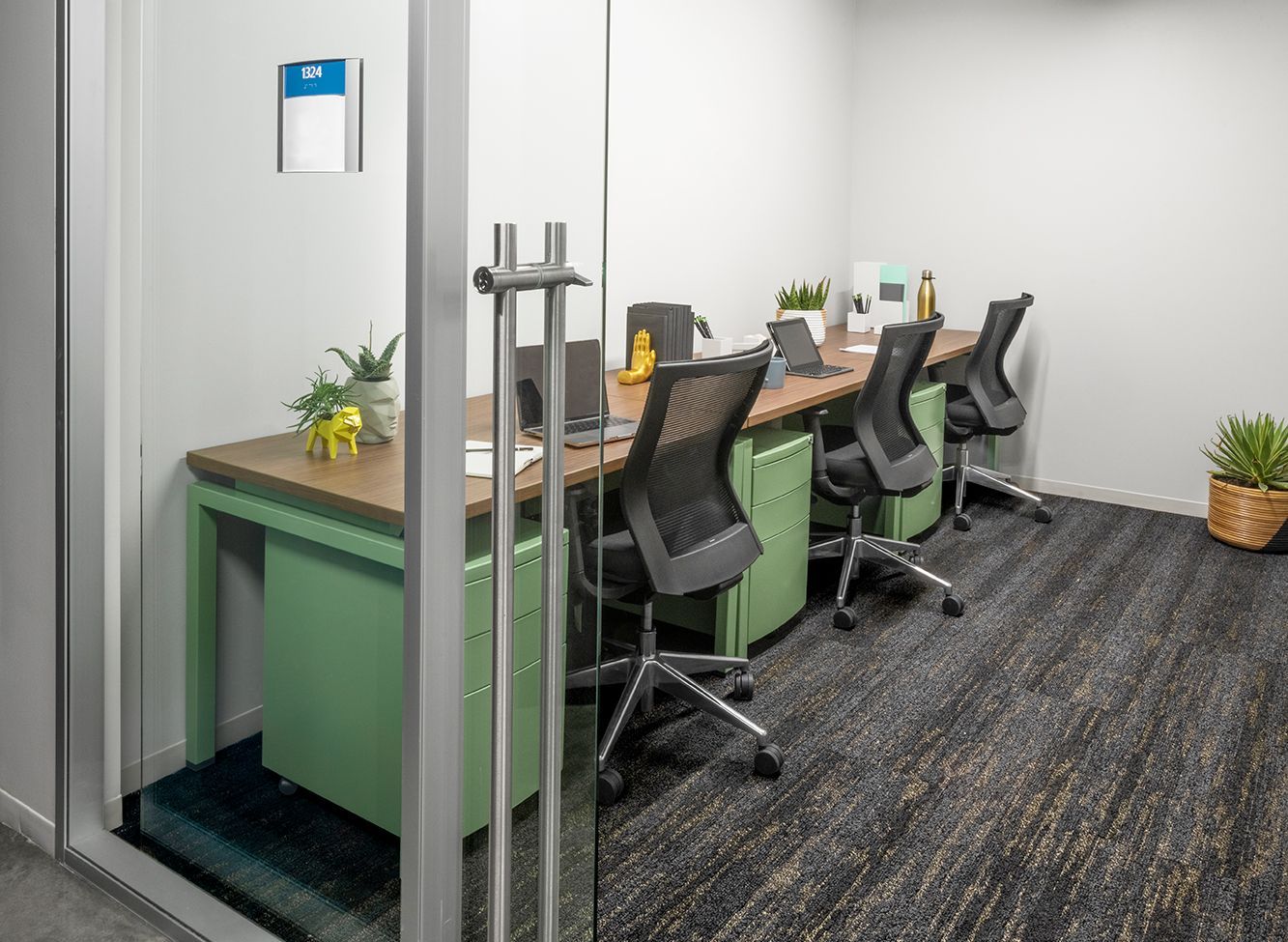
As coworking communities grow more sophisticated, design trends are shifting away from novelty and toward purpose. In 2026, the emphasis will be on creating environments that actively support productivity, comfort, and concentration.
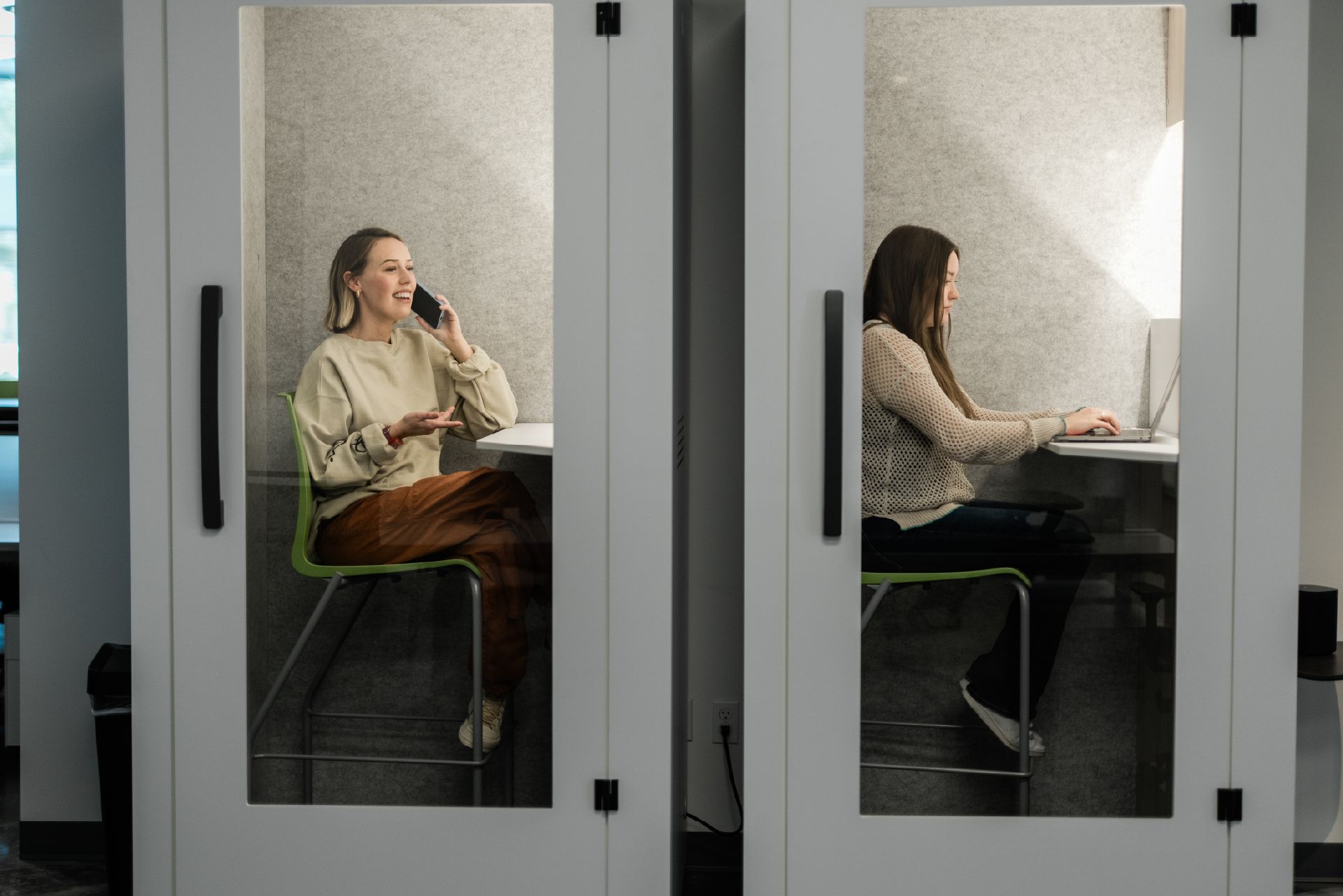
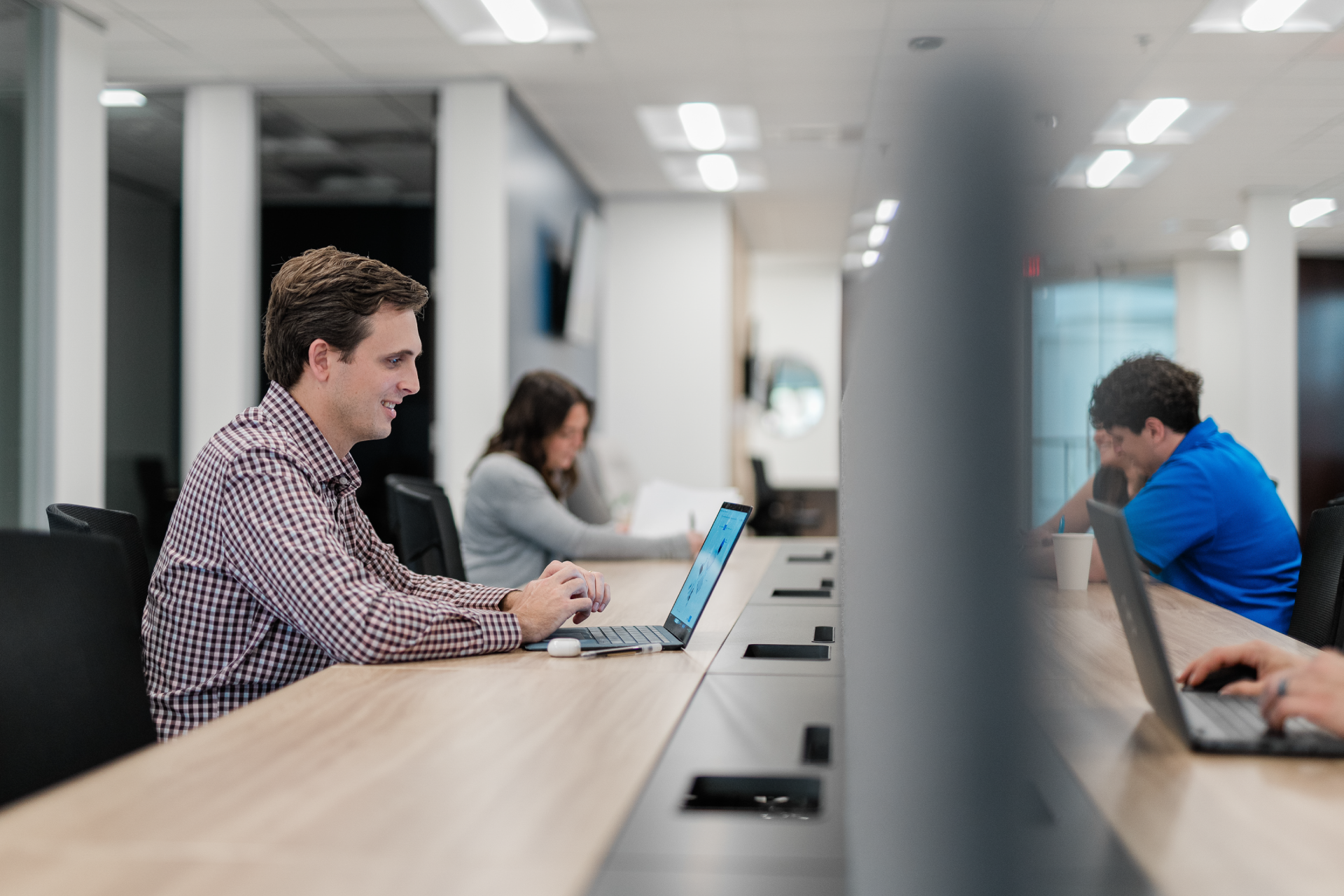
Quiet zones, private offices, phone rooms, and thoughtful sound management are becoming standard expectations rather than premium features. Members want space that respects different work styles and allows for deep focus when needed. This evolution reflects a broader understanding that flexibility must be paired with structure to be effective.
4. Technology Will Support Rather Than Distract
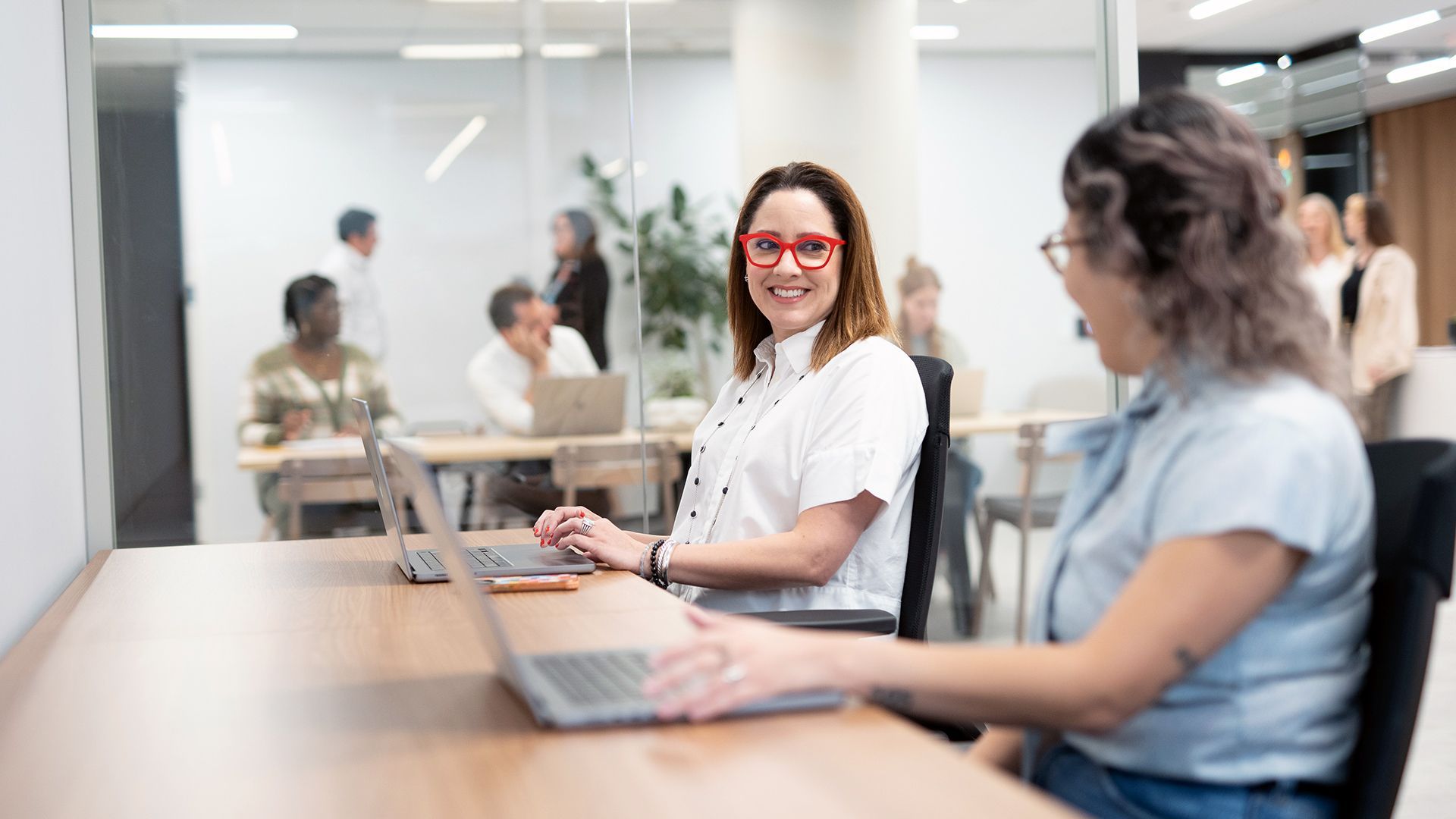
Smart technology continues to play a role in coworking trends for 2026, but with a more refined focus. The priority is no longer on adding technology for its own sake, but on integrating tools that improve the day-to-day experience.
Seamless booking systems, dependable connectivity, and technology that supports virtual collaboration are now baseline expectations. On the operational side, coworking operators are using data and smart systems to better understand how space is used and how to optimize it. The result is office space that feels intuitive and responsive rather than overly complex.
5. Coworking Supports Long-Term Business Growth
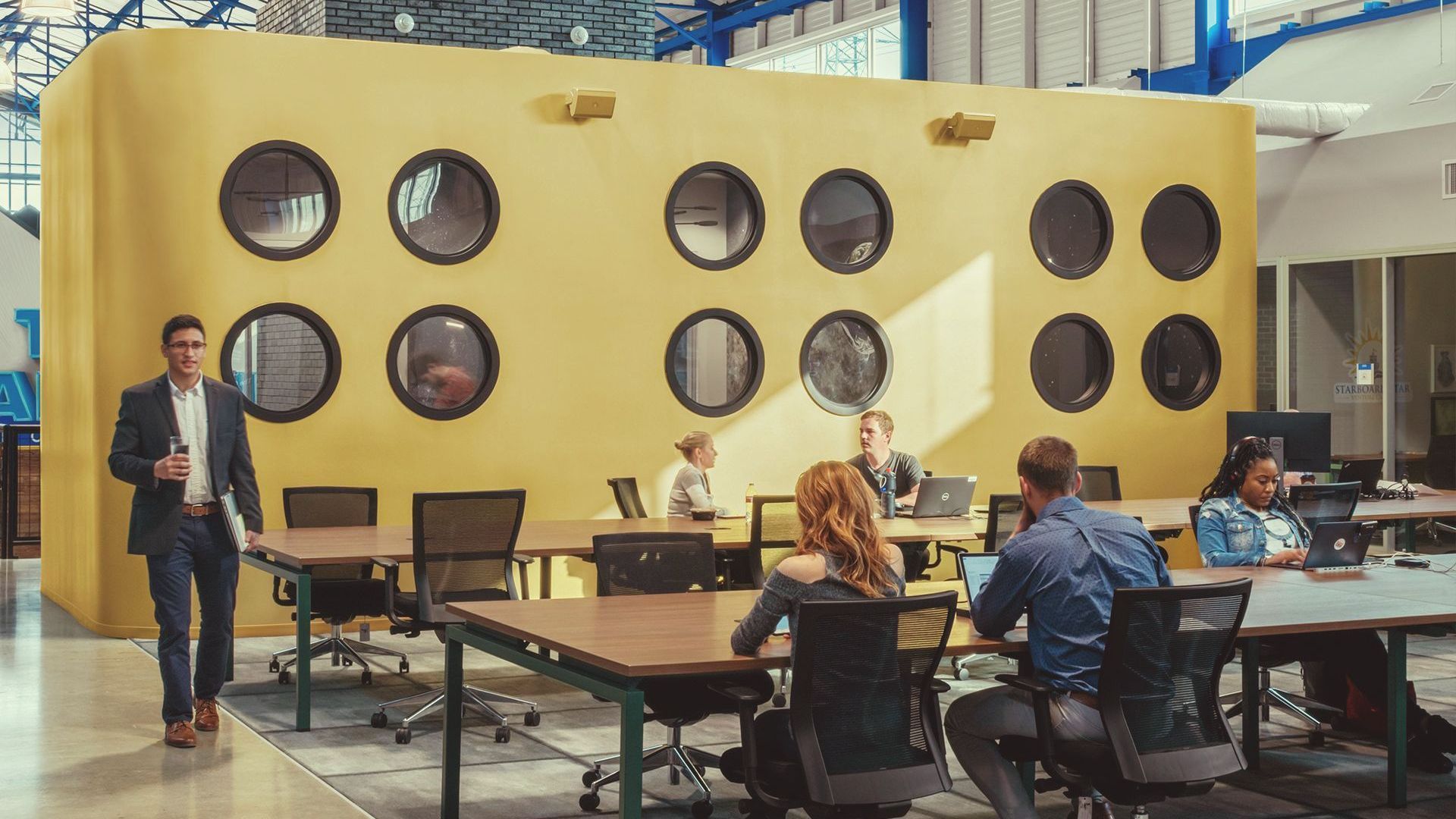
One of the most notable shifts heading into 2026 is the perception of coworking as a long-term solution rather than a transitional one. Companies of all sizes are recognizing that flexible workspaces can support sustained business growth without the financial and operational burden of traditional leases.
By reducing overhead and offering access to shared resources, coworking allows organizations to allocate capital toward talent, technology, and expansion. This model aligns with modern business priorities, where adaptability and efficiency often outweigh permanence.
6. Community Drives Engagement and Retention
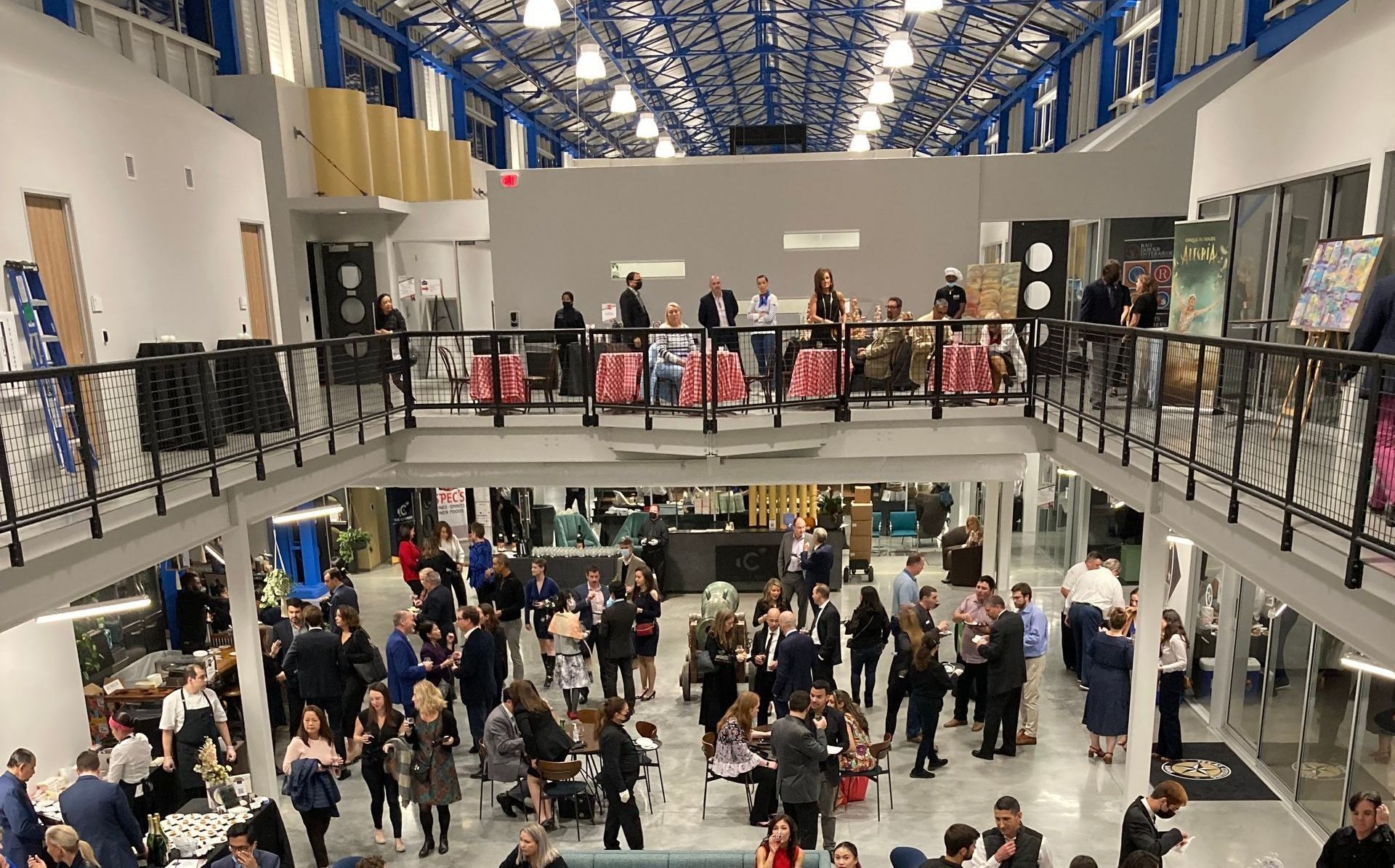
Despite advances in technology and design, community will remain one of the most influential aspects of coworking in 2026. Professionals increasingly seek environments where connection happens naturally and where relationships extend beyond transactional interactions.
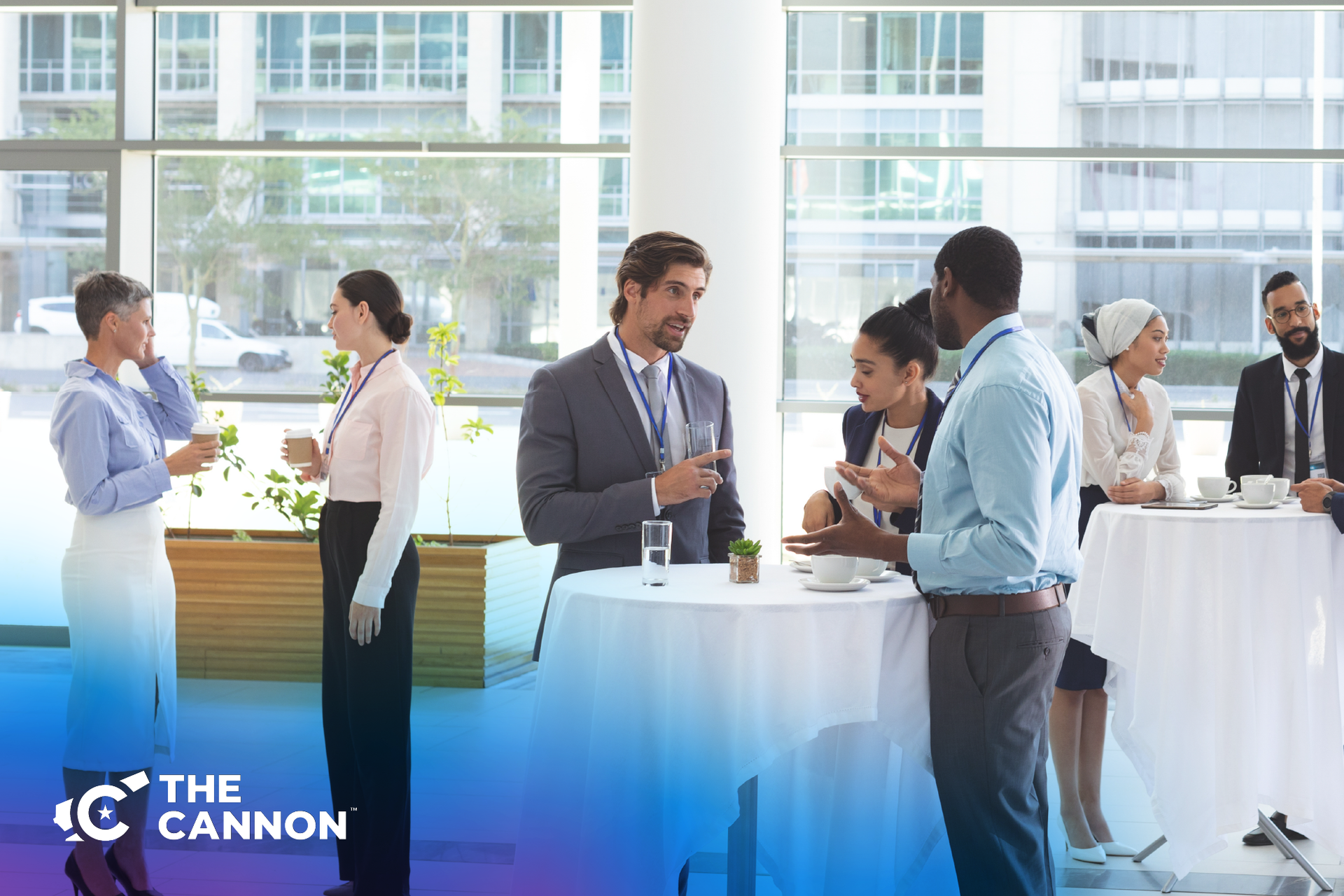
Strong coworking communities foster collaboration, knowledge sharing, and a sense of belonging that is difficult to replicate in isolated office settings. As competition within the coworking industry increases, community has become a key differentiator that influences both member satisfaction and long-term retention.
Real Estate Will Adapt to Flexible Demand
From a real estate perspective, coworking reflects larger space trends reshaping commercial property. Landlords and developers are increasingly incorporating flexible office models into their portfolios as demand for traditional office space continues to evolve.
Coworking now serves as a bridge between commercial real estate and modern workforce expectations. It offers a way to activate space efficiently while meeting the needs of businesses that prioritize flexibility, scalability, and experience. In 2026, flexible workspace will not be a fringe concept but a central component of how office space is planned and delivered.
Looking Ahead
Coworking in 2026 will be defined by intention. Flexible workspaces are becoming more focused, more strategic, and more aligned with how businesses actually operate. The industry is moving away from one-size-fits-all solutions and toward environments that balance flexibility with structure, community with focus, and technology with usability.
As organizations continue to rethink their relationship with office space, coworking is positioned to remain a vital part of the workplace ecosystem. For those navigating growth, hybrid work, and long-term planning, flexible workspaces offer a future-ready approach that adapts alongside the businesses they serve.
At
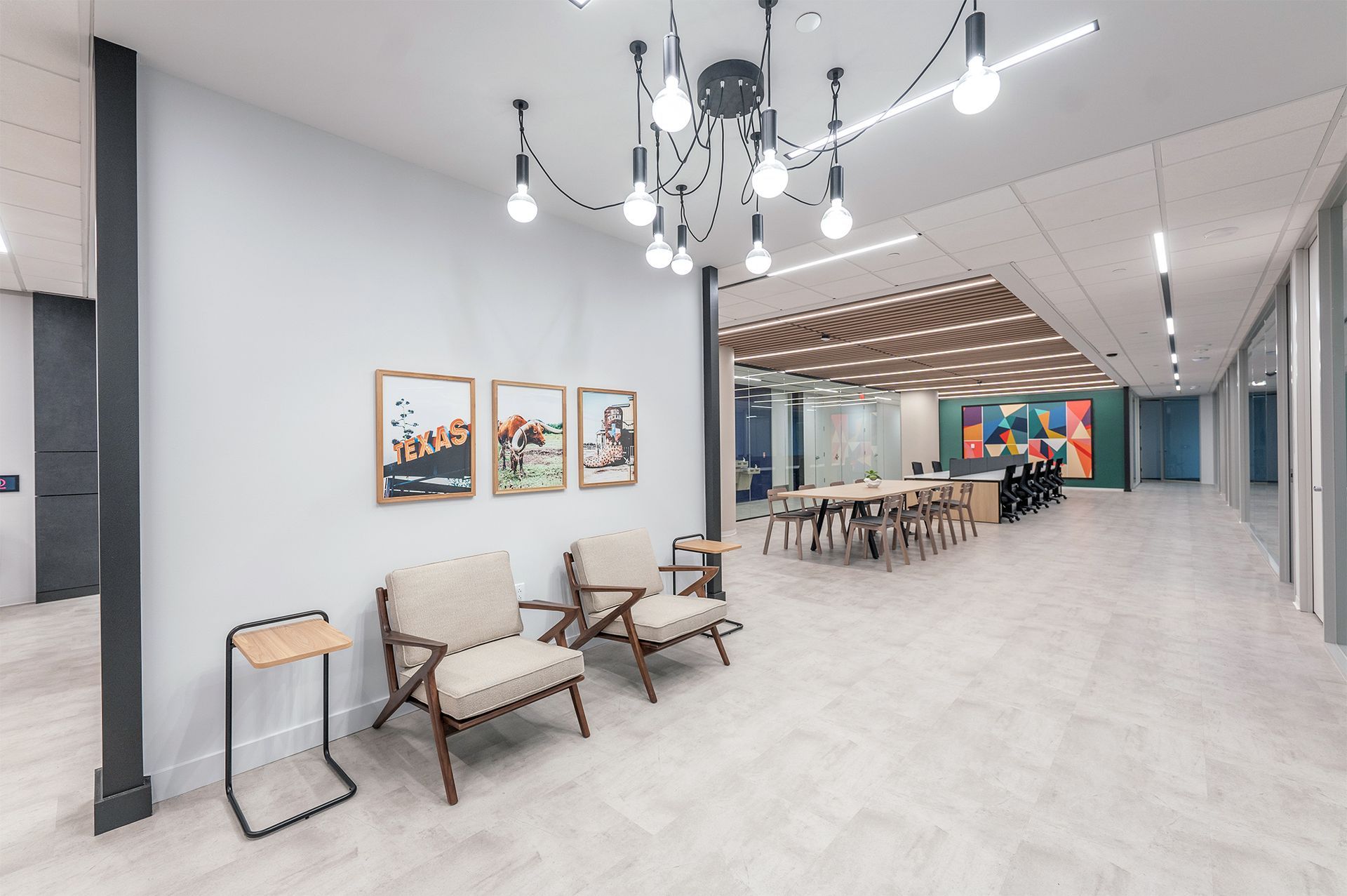
The Cannon, these shifts have been shaping how our coworking communities are built for years. From thoughtfully designed shared offices and private offices to technology-enabled meeting rooms and intentionally cultivated coworking communities, The Cannon reflects where flexible work is headed, not where it has been. Its approach recognizes that coworking succeeds when it supports both productivity and connection, offering space that evolves with the people and businesses using it while providing our landlord partners with a new offering for their properties.
As 2026 approaches, The Cannon continues to focus on creating flexible office environments that support meaningful work, sustainable growth, and long-term relationships. In a changing real estate and workplace landscape, that commitment positions The Cannon not just as a coworking space, but as an active participant in shaping the future of work.